Save 5% on Your Quote
Subscribe to our newsletter and take 5% off your first project with us. Plus, get new articles and resources straight to your inbox.

Subscribe to our newsletter and take 5% off your first project with us. Plus, get new articles and resources straight to your inbox.




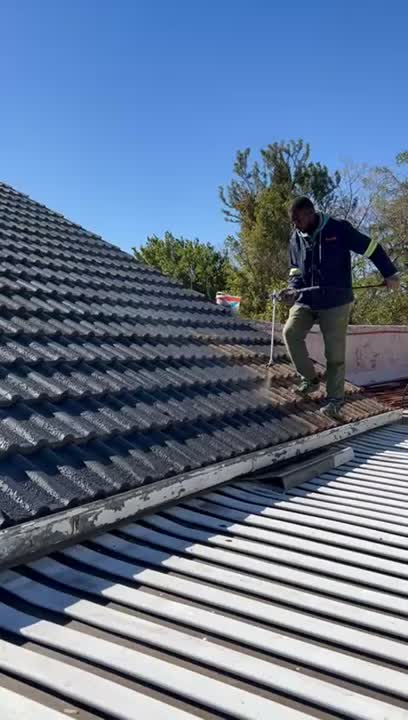


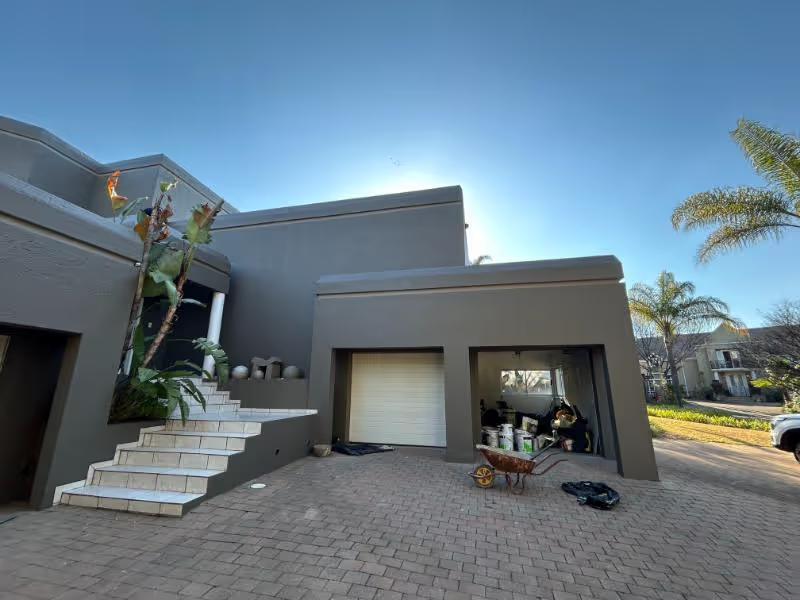

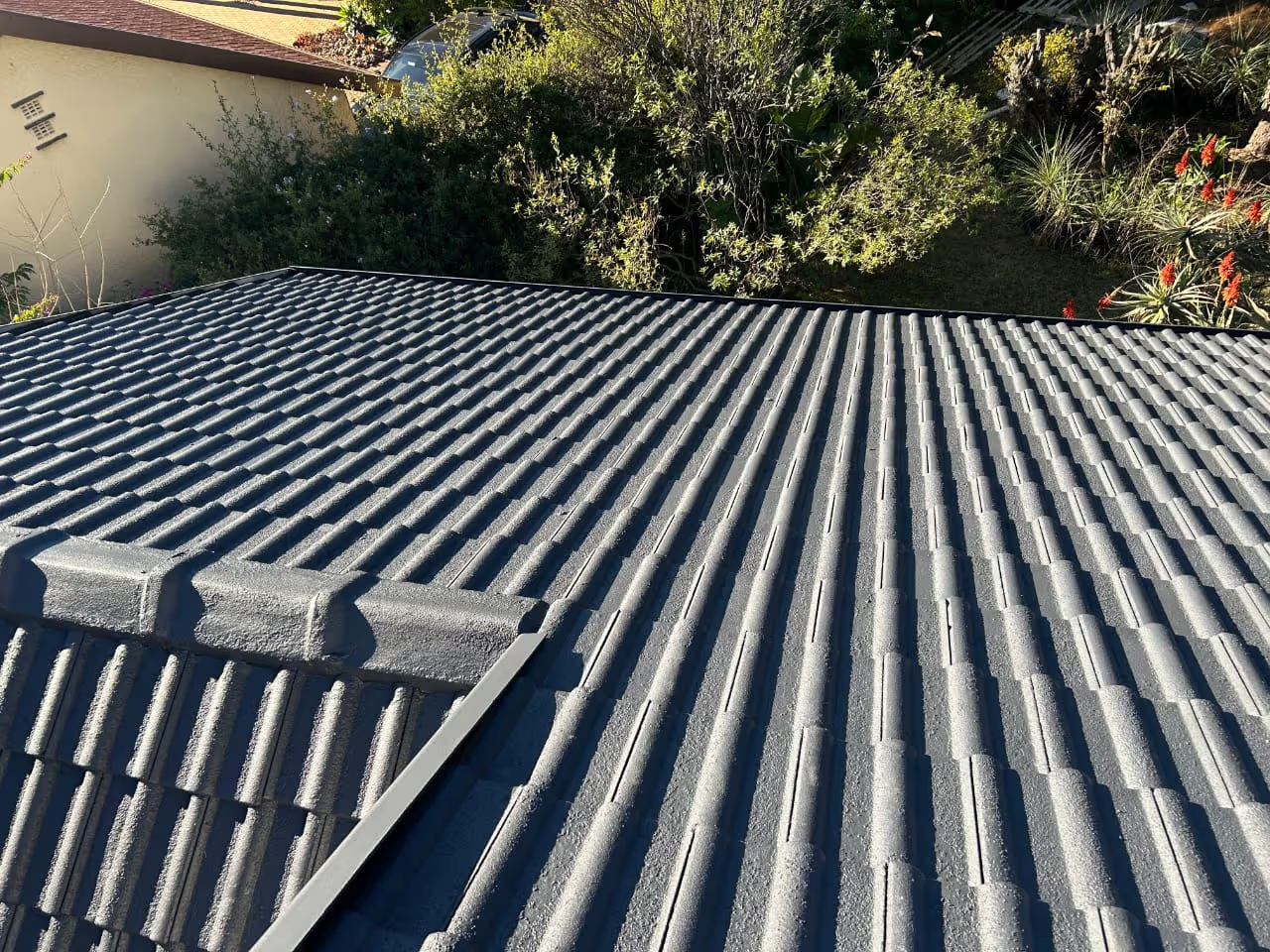


"I want to publicly thank the team at ITA CORP for the extremely professional and reliable work they did recently on our patio roof. We've struggled with leaks for years, and now, with ITA CORP on the job, I feel comfortable since They are conscientious, eager to help, knowledgeable, and their communication and follow-up is amazing."

"Itacorp have provided excellent services and quality workmanship throughout the years. Any comeback is dealt with immediately/timeously.
Itacorp takes pride in their workmanship. Recommended."

"Itacorp has helped me a lot with dampness walls, slabs water proofing, as well as storm water drain system that has given me years of problem. knowledge and service is out of this world, thank you Malven Makura.😀"

"I want to extend a big thank you to ITA CORP for the outstanding work they did on my house. From start to finish, their professionalism, attention to detail, and quality of workmanship were exceptional. It’s rare to find a team that delivers exactly what they promise—and they certainly did. Highly recommended for anyone looking for reliable, top-notch service!"

"I have had the pleasure of several dealings with Melvern and his professional team where the work done has always been above & beyond expectations and have no hesitation in referring his company."

"We have had serious issues with water damage that was driving us insane. Malvern’s team waterproofed our bathroom and fixed what another contractors managed to damage."




Flat roof waterproofing requires more than applying a waterproof coating. Concrete roof slabs are exposed to standing water, temperature changes, structural movement and ageing waterproofing materials. Without proper preparation and a suitable waterproofing system, leaks can return even after previous repairs.
At Itacorp, we specialise in identifying and repairing flat roof waterproofing problems affecting residential and commercial properties across Fourways, Sandton, Dainfern and Kyalami. Our work includes concrete slab waterproofing, torch on membrane installation, roof leak repairs, drainage related waterproofing and the restoration of deteriorating waterproofing systems.
With over 31 years of industry experience, we understand that every roof requires an approach suited to its condition, construction and exposure to water.
Concrete roof slabs can develop leaks through cracks, failed waterproofing membranes, deteriorating screed, poorly sealed outlets and junctions where the roof meets surrounding walls.
One of the biggest mistakes in flat roof waterproofing is treating the visible leak without investigating where water is entering.
Water can travel beneath an existing membrane or through cracks before becoming visible on an interior ceiling. The point where water appears inside a building is not necessarily where it entered the roof.
Our approach considers the condition of the concrete slab, existing waterproofing, drainage and vulnerable roof details before recommending a repair or replacement system.
Torch on waterproofing is one of the established methods used to protect concrete flat roofs against water ingress.
The system uses reinforced bituminous membranes that are heated and bonded to a suitably prepared surface to create a continuous waterproof barrier.
A typical torch on waterproofing installation may involve:
The condition of the roof determines which preparation and repair steps are necessary. Correct installation is particularly important around roof outlets, parapet walls and areas where different surfaces meet.
Not all torch on waterproofing membranes have the same properties.
APP modified bitumen membranes are commonly selected for roofing applications where heat resistance and weather exposure are important.
SBS modified bitumen membranes offer greater flexibility, making them suitable for applications where movement and temperature changes need particular consideration.
The appropriate membrane depends on the roof structure, substrate condition, exposure and the requirements of the waterproofing system.
We consider these factors when recommending a membrane rather than assuming that one product is suitable for every flat roof.
Standing water is one of the most important issues to investigate on a leaking flat roof.
When water collects in low areas, it can remain on the waterproofing surface long after rainfall. This increases exposure at damaged seams, outlets and other vulnerable details.
Common causes include inadequate roof falls, blocked drainage outlets, uneven screed and changes to the roof surface over time.
Effective waterproofing may require more than installing a new membrane. Where drainage defects contribute to the problem, the roof falls, screed and outlets may also need attention.
Applying new waterproofing over an unresolved drainage problem can leave the underlying cause of water accumulation unchanged.
The performance of a waterproofing system depends heavily on the surface beneath it.
Loose screed, cracks, trapped moisture, dust and deteriorating previous coatings can interfere with adhesion and compromise the installation.
Before waterproofing a concrete slab, the substrate should be assessed for defects that may affect the proposed system.
Depending on the condition of the roof, preparation may involve removing loose material, repairing cracks, addressing damaged screed and allowing the surface to reach the condition required by the waterproofing manufacturer.
Structural cracks or significant movement may require further investigation before waterproofing proceeds.
Parapet walls are a common source of water ingress on flat roofs.
The junction between a horizontal roof slab and a vertical wall requires careful waterproofing detailing because it is exposed to movement, rainfall and changes in temperature.
Water can enter through cracked plaster, deteriorated membrane upstands, failed termination points or poorly sealed wall junctions.
Depending on the roof construction, repairs may require surface preparation, membrane reinforcement, correctly formed upstands and suitable termination details.
These areas should be considered as part of the waterproofing system rather than treated as separate cosmetic defects.
Roof outlets and penetrations are particularly vulnerable because they interrupt the continuous waterproofing surface.
Leaks can develop around drainage pipes, outlet connections, ventilation penetrations and other fittings when waterproofing details deteriorate or are incorrectly installed.
Effective repairs require attention to the connection between the waterproofing membrane and the surrounding fitting.
The appropriate treatment depends on the outlet design, membrane system and condition of the surrounding roof.
Where drainage components are damaged, undersized or poorly positioned, additional repairs or improvements may be necessary.
An existing waterproofing system does not always need complete replacement.
Small areas of damage may be suitable for localised repairs where the surrounding membrane remains sound, properly bonded and compatible with the proposed repair materials.
However, extensive deterioration, widespread loss of adhesion, multiple failed layers or repeated leakage may make replacement a more appropriate option.
Installing new waterproofing directly over a defective surface can conceal problems rather than resolve them.
We assess the condition of the existing system to determine whether repair, partial replacement or more extensive waterproofing work is justified.
Torch on membranes are not the only option for waterproofing roofs and exposed surfaces.
Liquid applied waterproofing systems can be useful for particular roof configurations, complex details and compatible repair applications.
Depending on the substrate and intended use, suitable systems may include liquid rubber, bitumen rubber, reinforced liquid membranes and other specialised waterproofing products.
Different systems have different requirements for preparation, reinforcement, application thickness, curing and exposure.
The best waterproofing method is not necessarily the most expensive or the easiest to apply. It is the system that is appropriate for the actual roof condition and application.
Some of the most challenging waterproofing projects involve roofs that have already been repaired several times.
Repeated leaks may indicate that the original water entry point was never identified, that the waterproofing was applied over an unsuitable surface or that drainage and junction defects remain unresolved.
In these situations, simply applying another layer of waterproofing may not provide an effective solution.
A more thorough assessment considers the existing materials, previous repairs, roof drainage, surface condition and likely routes of water ingress.
Understanding why earlier repairs failed helps determine what needs to change before further waterproofing is undertaken.
Flat roof waterproofing requirements vary according to the type of building, roof construction and how the roof is used.
Residential properties may have concrete roof slabs over bedrooms, living areas, garages, patios and extensions.
Commercial properties may have larger roof surfaces, multiple drainage outlets, equipment penetrations and more complex waterproofing details.
Each application requires consideration of the roof's condition, access, drainage, exposure and maintenance requirements.
We provide waterproofing solutions for residential and commercial properties across Fourways, Sandton, Dainfern, Kyalami and surrounding areas of Johannesburg.
Waterproofing membranes are continuously exposed to sunlight, rainfall and temperature changes.
Some bituminous membranes require an appropriate protective finish, while others are manufactured with a mineral or other UV resistant surface.
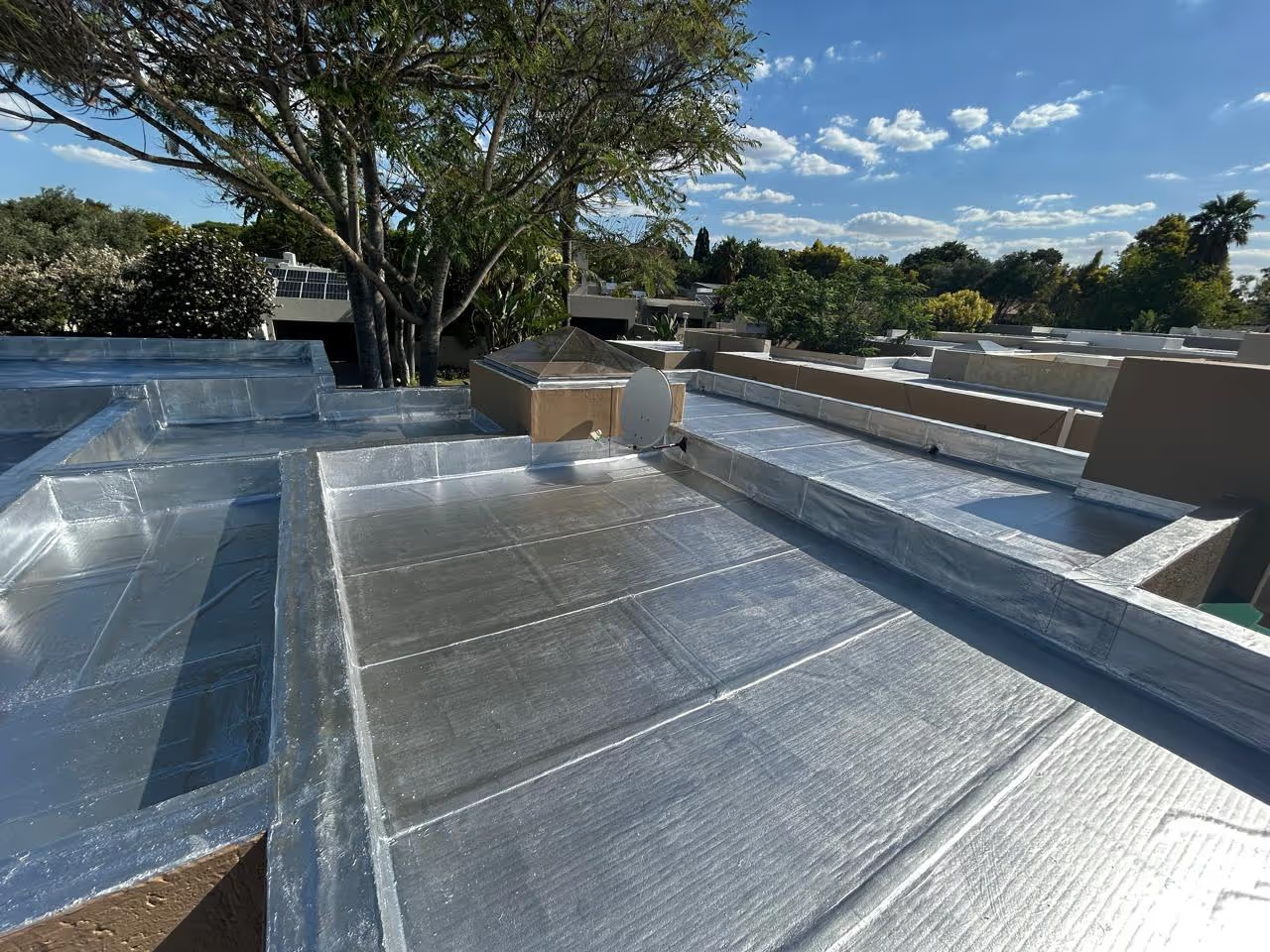
Silver aluminium protective coatings may be specified for compatible exposed bituminous waterproofing systems.
The protective finish must suit the membrane and installation conditions. It should not be treated as a substitute for repairing a defective waterproofing layer.
Regular inspection and maintenance also help identify damage, blocked outlets and deteriorating details before they develop into larger problems.
A waterproofing system is only as reliable as its preparation, installation and detailing.
Important considerations include substrate condition, membrane bonding, overlaps, junctions, drainage outlets and compatibility between materials.
Once work is completed, the treated areas should be inspected for visible installation defects and outstanding concerns. Where appropriate and practical, additional testing may be specified.
Itacorp provides a one year workmanship guarantee, subject to the conditions and scope of the agreed work.
The expected service life of a waterproofing system depends on the materials, installation conditions, drainage, exposure and ongoing maintenance.
One of the best ways to evaluate a waterproofing contractor is to examine the work they have completed on similar properties.
Our project portfolio documents real waterproofing and repair work, including the problems encountered, the solutions implemented and the completed results.
Where available, our case studies include photographs, project locations, roof types, waterproofing materials and details of the repairs carried out.
These projects help homeowners understand how different waterproofing problems are approached and what may be involved in repairing a similar roof.
Explore our completed waterproofing projects to see examples of our work across Johannesburg.
Itacorp serves homeowners, property managers and commercial clients across Fourways, Sandton, Dainfern and Kyalami.
Our surrounding service areas include Bryanston, Lonehill, Douglasdale, Paulshof, Sunninghill, Steyn City, Witkoppen and other northern Johannesburg suburbs.
We assist with leaking concrete roof slabs, failed torch on membranes, deteriorating waterproofing, roof drainage problems and persistent water ingress.
Whether your property requires a localised waterproofing repair or a more extensive roof restoration, our team can assess the problem and recommend an appropriate solution.
If your concrete roof slab is leaking, your existing waterproofing is deteriorating or previous repairs have failed, the first step is to understand what is causing the problem.
Our team can assess the affected areas, explain the available repair options and provide a quotation based on the work required.
Contact Itacorp Waterproofing & Painting
Phone: 083 451 1398
Email: info@itacorp.co.za
Serving Fourways, Sandton, Dainfern, Kyalami and surrounding northern Johannesburg areas.
Request Your Free Waterproofing Quote
We provide professional waterproofing and painting services across Fourways, Sandton, Kyalami, Dainfern, Bryanston, and areas within them.